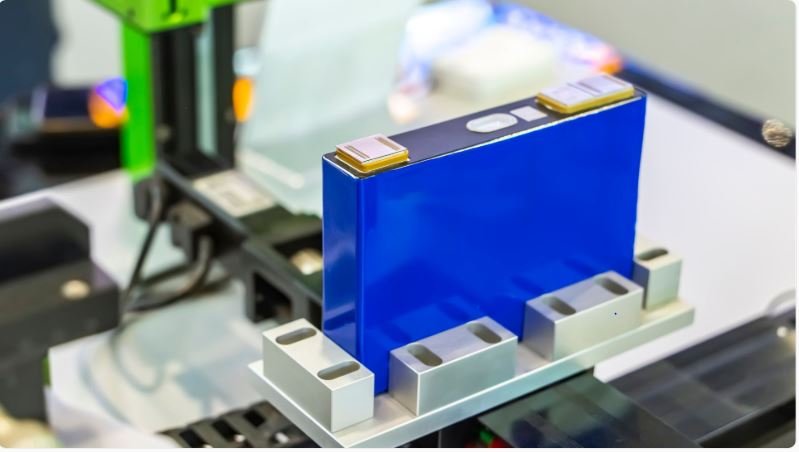
The electric vehicle (EV) industry may be on the brink of a major transformation as researchers in the United States have unveiled a next-generation all-solid-state sulfur battery that retains over 80% of its capacity even after 450 charge cycles. This breakthrough could significantly improve EV range, safety, and affordability — three of the biggest challenges slowing widespread adoption.
What Makes This Battery Special?
Unlike traditional lithium-ion batteries used in EVs from companies like Tesla and BYD, this new battery uses:
- Sulfur as a cathode material (instead of expensive metals like cobalt or nickel)
- A solid-state electrolyte (instead of flammable liquid electrolytes)
Key Benefits:
- ✅ Higher Energy Density – Potentially longer driving range
- ✅ Improved Safety – Reduced fire risk due to solid-state design
- ✅ Lower Cost – Sulfur is abundant and inexpensive
- ✅ Longer Lifespan – Maintains 80% capacity after 450 cycles
Why Sulfur Batteries Matter
Sulfur-based batteries have been studied for years, but they faced a major problem known as the “polysulfide shuttle effect,” which caused rapid capacity loss.
This new innovation reportedly overcomes that issue by:
- Using advanced solid electrolytes
- Improving electrode stability
- Enhancing ion transport efficiency
This means EV batteries could last longer without significant degradation — a huge win for both consumers and automakers.
Impact on Electric Vehicles
If commercialized, this technology could reshape the EV market:
Longer Range
EVs could travel significantly farther on a single charge — possibly exceeding current benchmarks set by models like the Tesla Model S.
Lower Prices
Reducing reliance on costly materials like cobalt could bring down EV prices, making them more accessible.
Better Safety
Solid-state batteries are far less prone to overheating and fires compared to lithium-ion batteries.
Who Is Behind the Research?
While specific institutions may vary, this type of research is often driven by leading US organizations such as:
- Argonne National Laboratory
- MIT
- Stanford University
These institutions are at the forefront of next-gen battery innov
How It Compares to Current Batteries
| Feature | Lithium-Ion Battery | Solid-State Sulfur Battery |
|---|---|---|
| Energy Density | Moderate | High |
| Cost | High | Lower |
| Safety | Medium | High |
| Cycle Life | 300–500 cycles | 450+ cycles (80% retention) |
| Materials | Lithium, Cobalt, Nickel | Sulfur (abundant) |
What This Means for the Future
This breakthrough aligns with global efforts to accelerate EV adoption and reduce carbon emissions. Governments and companies worldwide are investing heavily in cleaner battery technologies.
Major automakers like Toyota and Volkswagen are already working on solid-state batteries — and this sulfur-based advancement could push the industry even further ahead.
Challenges Still Ahead
Despite the promising results, there are hurdles before mass production:
- Scaling the technology for commercial use
- Ensuring long-term durability beyond lab conditions
- Building manufacturing infrastructure
Final Take
The US-developed all-solid-state sulfur EV battery is a major step forward in solving key EV challenges — range, cost, and safety. While it may take a few years before this technology reaches production vehicles, the results are highly encouraging.
If successfully commercialized, this innovation could mark the beginning of a new era in electric mobility — making EVs more efficient, affordable, and reliable than ever before.