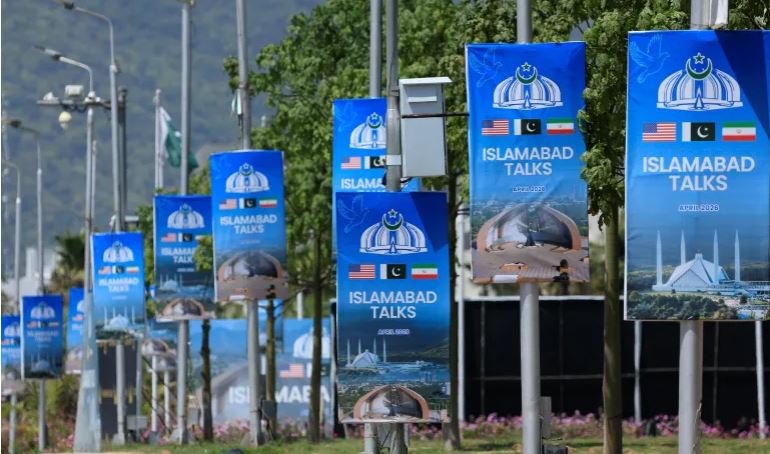
The already fragile diplomatic bridge between Iran and the United States has taken another hit, as Tehran has clearly signaled that it is not ready to resume talks “for now.” This development has cast serious doubt over Pakistan’s ongoing efforts to mediate peace between the two sides, raising fears of renewed escalation in the region.
Why Iran is refusing talks right now
Iran’s stance comes after a series of recent tensions, most notably the seizure of an Iranian cargo ship by US forces and the continuation of a naval blockade near the Strait of Hormuz. Tehran has strongly condemned these actions, calling them “aggressive” and even “armed piracy.”
According to Iranian officials, the main reasons for stepping back from negotiations include:
- Ongoing US naval blockade restricting Iranian ports
- Accusations that Washington violated a fragile ceasefire
- “Excessive and shifting demands” from the US side
- Lack of trust in US commitment to diplomacy
Iran has made it clear that lifting the blockade is a key condition before any meaningful talks can resume.
🇵🇰 Pakistan’s mediation efforts under pressure
Pakistan has been playing a crucial diplomatic role, hosting earlier negotiations in Islamabad and trying to keep communication channels open between both countries.
- The Islamabad peace talks (April 2026) lasted over 20 hours but ended without a deal
- Pakistan continues “full efforts” to revive dialogue
- A second round of talks was expected—but is now uncertain
With Iran stepping back, Pakistan’s mediation push is facing a major setback. Analysts say Islamabad is now working against time to prevent a complete collapse of diplomacy.
Ceasefire at risk as tensions rise
The situation is particularly sensitive because a temporary ceasefire is close to expiring. If talks fail:
- Military confrontation could resume
- Oil supply disruptions may worsen
- Global energy prices could rise further
The Strait of Hormuz—through which a significant portion of global oil passes—remains a key flashpoint. Iran has already restricted traffic at times, adding pressure to global markets.
Bigger picture: A deepening geopolitical crisis
The Iran–US conflict, which escalated earlier in 2026, has already caused:
- Thousands of casualties across the region
- Large-scale displacement of civilians
- Rising tensions involving multiple countries
Despite occasional diplomatic openings, both sides remain far apart on core issues like Iran’s nuclear program, regional influence, and security guarantees.
What happens next?
While Iran has said “no talks for now,” it has not completely shut the door on diplomacy. Some officials suggest discussions could resume if:
- The blockade is lifted
- A more balanced negotiation framework is offered
- Trust-building measures are introduced
For now, however, the path to peace looks uncertain—and Pakistan’s role as mediator hangs in the balance.
Conclusion
Iran’s refusal to engage in talks at this stage highlights the deep mistrust and unresolved tensions between Tehran and Washington. With Pakistan’s mediation efforts under strain and the ceasefire nearing its end, the coming days will be crucial.
Whether diplomacy can be revived—or the region slides back into conflict—will depend on how both sides respond to the current deadlock.