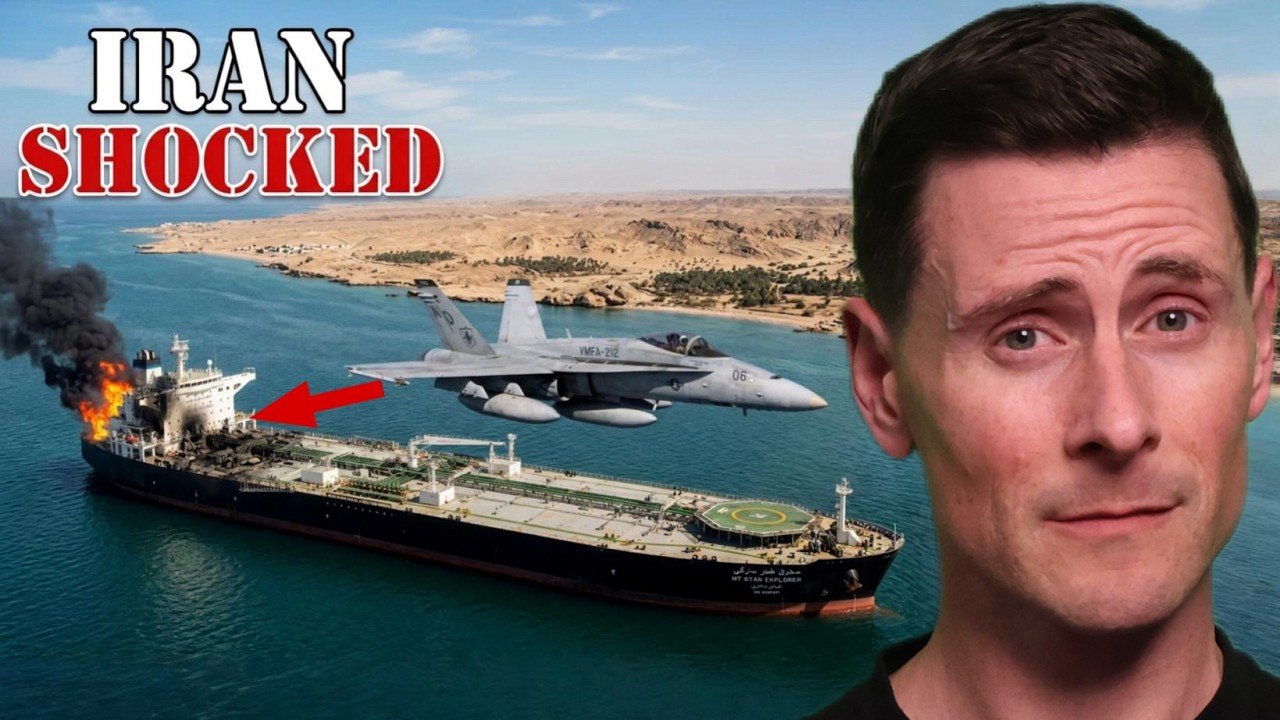
Fresh tensions have erupted in the Middle East after the United States launched retaliatory military strikes on multiple Iranian targets following attacks on American naval assets near the Strait of Hormuz. The latest escalation has raised fears that the fragile ceasefire between the US and Iran could collapse completely.
According to reports, US military forces targeted missile launch facilities, drone infrastructure, surveillance systems, and command centers inside Iran after Iranian missiles and drones were allegedly fired toward US Navy destroyers operating in the region.
What Triggered the Latest US-Iran Clash?
The situation intensified after American officials claimed that Iran launched missiles, drones, and fast attack boats toward three US Navy destroyers passing through the Strait of Hormuz — one of the world’s most critical oil shipping routes.
The US Central Command (CENTCOM) said American defense systems intercepted the attacks successfully and no US warships were damaged. In response, the US carried out what it described as “defensive retaliatory strikes” against Iranian military infrastructure.
Iran, however, accused Washington of violating an existing ceasefire agreement by attacking Iranian civilian zones, vessels, and coastal areas near the Strait of Hormuz. Iranian media claimed Tehran responded with missile strikes targeting US military positions and naval assets in the Gulf region.
Strait of Hormuz Becomes Global Flashpoint
The Strait of Hormuz remains the center of the crisis because nearly one-fifth of the world’s oil and gas supply moves through this narrow waterway.
Reports suggest Iran has tightened its control over shipping movement in the region, creating major concerns for global trade and energy markets. Several commercial vessels are reportedly stranded while oil prices continue reacting sharply to the uncertainty.
Experts warn that any prolonged conflict in the area could severely impact global fuel prices and international shipping operations.
Trump Says Ceasefire Still “In Effect”
Despite the exchange of fire, former US President Donald Trump stated that the ceasefire between the US and Iran technically remains active. He described the American retaliation as necessary self-defense and warned Tehran against further escalation.
At the same time, negotiations between Washington and Tehran are reportedly continuing behind closed doors, although no final peace agreement has been reached so far.
UAE and Gulf Nations Also on Alert
The conflict is no longer limited to just the US and Iran. Reports indicate that the UAE and several Gulf countries remain on high alert after missile and drone attacks linked to the broader regional conflict.
Regional governments fear that continued military escalation could spread instability across the Gulf and threaten oil infrastructure, airports, and commercial shipping routes.
Global Markets Watching Closely
International markets are monitoring the situation carefully as rising tensions in the Middle East often lead to sharp increases in crude oil prices. Analysts believe any further disruption in the Strait of Hormuz could impact fuel prices worldwide, including in India.
Security experts say the next few days will be critical in determining whether diplomacy can prevent a wider conflict.
Why This Matters Globally
The renewed exchange of fire between the US and Iran has once again highlighted how quickly tensions in the Middle East can affect the global economy, energy supply chains, and international security.
While both sides currently claim they do not want full-scale war, military activity in and around the Strait of Hormuz continues to keep the entire region on edge.
Disclaimer: This article is based on international media reports and developing news updates. Information may change as official statements continue to emerge.