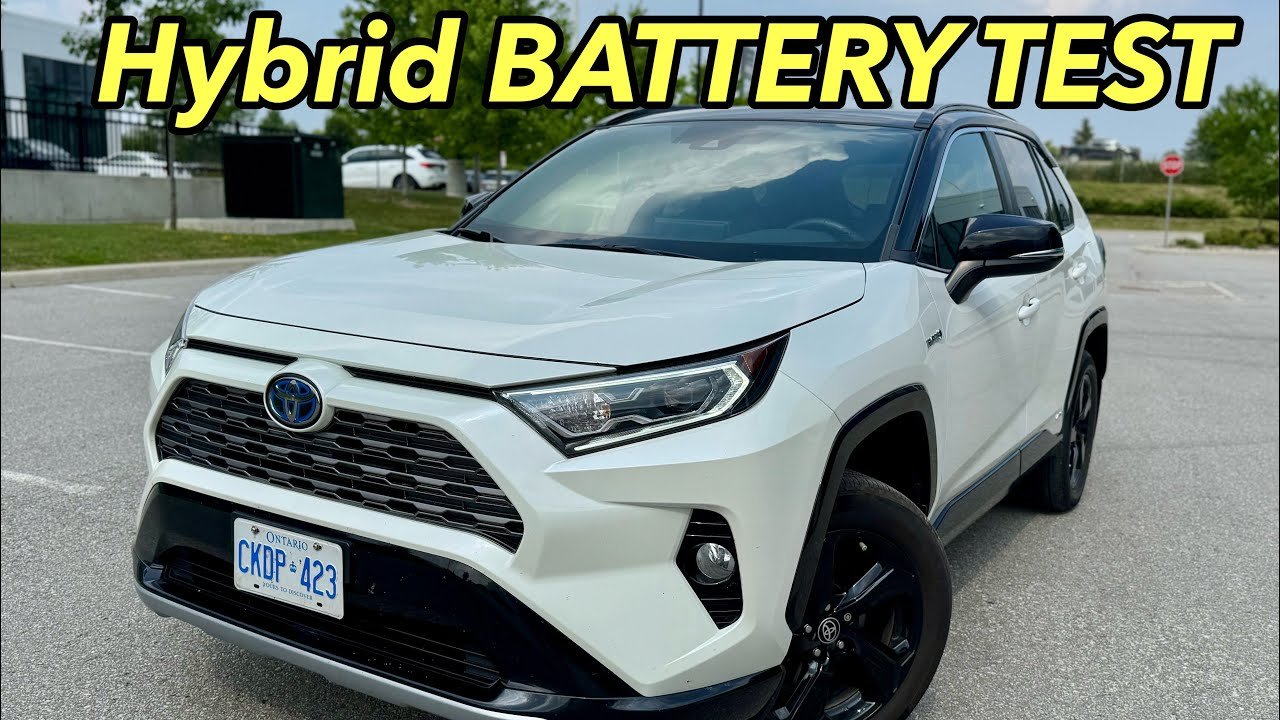
Toyota RAV4 has built a reputation as one of the most reliable SUVs in the world. From daily commuting to long highway trips, this SUV is known for durability, fuel efficiency, and low maintenance costs. But once the odometer crosses 100,000 miles, even the dependable RAV4 starts showing signs of wear and tear.
If you are planning to buy a used Toyota RAV4 or already own one with high mileage, understanding the most common mechanical weak points can save you thousands of dollars in repairs. Here’s a complete survival guide for keeping your high-mileage RAV4 running smoothly for years.
Why High-Mileage RAV4s Still Remain Popular
Even after crossing 100,000 miles, Toyota RAV4 models continue to dominate the used SUV market. The reasons are simple:
- Excellent fuel economy
- Long engine life
- Affordable maintenance
- Strong resale value
- Reliable hybrid technology
- Comfortable daily driving experience
However, every vehicle has aging components that eventually require attention. Ignoring these warning signs can turn a small repair into a major mechanical failure.
Top 5 Mechanical Weak Points in a Toyota RAV4 After 100,000 Miles
1. Oil Consumption Problems
One of the most reported issues in older Toyota RAV4 models, especially those equipped with the 2.4L four-cylinder engine, is excessive oil consumption.
Common Symptoms
- Low oil warning light
- Burning oil smell
- Blue smoke from exhaust
- Frequent need for oil top-ups
Why It Happens
Over time, piston rings and valve seals wear out. This allows engine oil to enter the combustion chamber and burn during operation.
Estimated Repair Cost
- Minor repair: $300–$800
- Major engine rebuild: $2,000+
Prevention Tips
- Change engine oil regularly
- Use high-quality synthetic oil
- Check oil levels every 1,000 miles
- Avoid aggressive driving habits
Ignoring oil consumption can eventually lead to engine seizure.
2. Transmission Wear and Delayed Shifting
Many high-mileage RAV4 owners experience transmission hesitation or rough shifting after 100,000 miles.
Warning Signs
- Delayed gear engagement
- Jerking during acceleration
- Whining noises
- Transmission overheating
Main Causes
- Old transmission fluid
- Worn clutch packs
- Valve body wear
- Torque converter issues
Repair Costs
- Fluid service: $150–$300
- Transmission rebuild: $3,000–$5,000
Survival Guide
Toyota originally marketed some transmissions as “lifetime fluid” units, but experts strongly recommend fluid replacement every 50,000–60,000 miles for long-term reliability.
3. Suspension and Steering Component Failure
After crossing six figures on the odometer, suspension wear becomes extremely common.
Parts That Commonly Fail
- Control arm bushings
- Struts and shocks
- Ball joints
- Tie rods
- Wheel bearings
Symptoms
- Clunking sounds
- Uneven tire wear
- Loose steering feel
- Vehicle vibration
Why It Matters
A worn suspension not only reduces comfort but also affects braking stability and handling safety.
Typical Repair Range
- Basic suspension refresh: $800–$1,500
- Full overhaul: $2,500+
Replacing worn suspension components can make an old RAV4 feel almost brand new again.
4. Water Pump and Cooling System Leaks
Cooling system problems become more frequent as the RAV4 ages.
Common Issues
- Water pump leakage
- Radiator cracks
- Coolant hose deterioration
- Thermostat failure
Symptoms
- Engine overheating
- Coolant puddles under vehicle
- Sweet coolant smell
- Rising temperature gauge
Why It’s Dangerous
Overheating can permanently damage the engine, including warped cylinder heads and blown head gaskets.
Recommended Maintenance
- Replace coolant every 50,000 miles
- Inspect hoses annually
- Replace water pump proactively if leaking begins
Average Repair Costs
- Water pump replacement: $500–$1,000
- Full cooling system repair: $1,500+
5. Hybrid Battery Degradation (Hybrid Models)
For RAV4 Hybrid owners, battery aging becomes an important concern after long-term use.
Signs of Battery Wear
- Reduced fuel economy
- Frequent engine startup
- Weak acceleration
- Battery warning lights
Typical Lifespan
Most Toyota hybrid batteries last between 8–15 years depending on driving conditions and maintenance.
Replacement Costs
- Refurbished battery: $1,500–$3,000
- Brand-new battery: $4,000+
Good News
Toyota hybrid systems are still considered among the most reliable in the industry, and many batteries exceed 200,000 miles with proper care.
Best Toyota RAV4 Model Years for Long-Term Reliability
Some RAV4 model years are known to perform better than others at high mileage.
| Model Year | Reliability Rating | Notes |
|---|---|---|
| 2013–2018 | Excellent | Strong reliability and fewer engine issues |
| 2019–2024 | Outstanding | Improved hybrid systems and safety tech |
| 2009–2012 | Average | Some oil consumption complaints |
| 2006–2008 | Good | Durable but aging suspension components |
Essential Maintenance Tips for a 100K+ Mile RAV4
If you want your Toyota RAV4 to cross 200,000 miles without major breakdowns, follow these essential maintenance habits:
Regular Fluid Changes
- Engine oil: Every 5,000–7,500 miles
- Transmission fluid: Every 50,000 miles
- Coolant: Every 50,000 miles
- Brake fluid: Every 2–3 years
Replace Wear Components Early
Preventive replacement is always cheaper than catastrophic failure.
Use OEM or High-Quality Parts
Cheap aftermarket components can reduce reliability.
Inspect the Undercarriage
Rust can become a major issue in snowy or coastal regions.
Monitor Warning Lights
Never ignore check engine lights or unusual noises.
Is a High-Mileage Toyota RAV4 Still Worth Buying?
The answer is yes — if the vehicle has been properly maintained.
A well-maintained Toyota RAV4 with 100,000–150,000 miles can still deliver years of dependable service. Buyers should focus on:
- Service history
- Transmission condition
- Oil consumption checks
- Suspension inspection
- Cooling system maintenance
A neglected RAV4, however, can quickly become an expensive repair project.
Final Verdict
The Toyota RAV4 remains one of the best long-term SUVs on the road. Even after crossing 100,000 miles, many examples continue running reliably with proper care. Understanding the top mechanical weak points helps owners prevent costly failures before they happen.
If you maintain fluids regularly, address suspension wear early, and monitor engine health carefully, a high-mileage RAV4 can easily survive beyond 200,000 miles.
For used SUV buyers, that makes the Toyota RAV4 one of the smartest long-term investments in the automotive market.