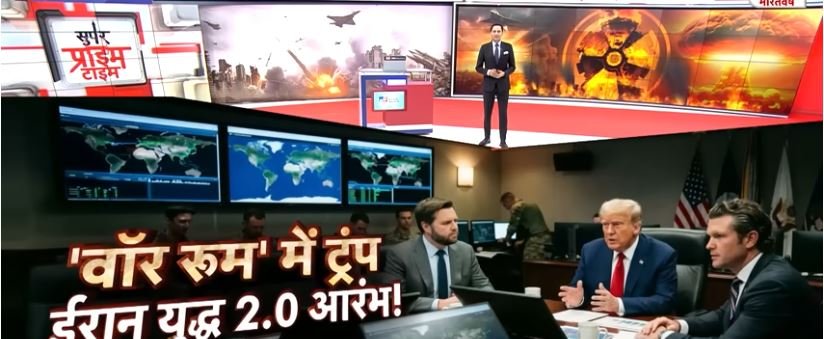
The Middle East situation has taken a dramatic turn after reports confirmed that the United States fired on an Iranian-flagged ship in the Strait of Hormuz. This incident has sparked global concern, raising one big question: Is the US facing losses in the ongoing Iran war, or is this a show of dominance?
Here’s a clear, fact-based breakdown of what really happened and what it means for the world.
What Happened in the Strait of Hormuz?
According to multiple international reports:
- The US Navy intercepted an Iranian cargo vessel attempting to pass through the Strait of Hormuz
- The ship allegedly ignored warnings
- US forces opened controlled fire to disable the vessel’s engine, not to destroy it
- US Marines then boarded the ship using helicopters
👉 This was not a random attack. It was part of a strategic naval blockade operation against Iran.
Iran’s Reaction: “Act of Aggression”
Iran strongly condemned the incident and called it:
- A violation of international law
- An act of maritime piracy
- A breach of ongoing ceasefire negotiations
Tehran has also warned that it will retaliate if such actions continue, raising fears of further escalation.
Why the Strait of Hormuz Matters
The Strait of Hormuz is one of the most critical maritime routes in the world:
- Around 20–25% of global oil supply passes through this narrow stretch
- Any conflict here directly impacts:
- Global oil prices
- Fuel costs in countries like India
- International trade routes
👉 Even minor disruptions in this region can trigger major economic shocks worldwide.
Link to Israel-Iran War
This incident is directly tied to the larger Israel-Iran conflict, which has intensified in 2026:
- The US is supporting Israel strategically
- Iran has threatened to block oil shipments
- In response, the US has enforced a naval blockade in key zones like Hormuz
👉 This means the situation is no longer limited to airstrikes — it has expanded into full-scale naval confrontation.
Is the US Suffering Losses?
This is where things get more complex.
Short-Term (This Incident)
- No major US casualties reported
- Operation executed successfully
Larger War Context
- Iran has previously:
- Targeted US assets
- Claimed downing of advanced aircraft
- US has faced:
- Military costs
- Strategic pressure in the region
👉 So while the US appears strong tactically, the broader conflict is costly for both sides.
Current Situation (Latest Update)
- Ship movements in the Strait of Hormuz have slowed significantly
- Several oil tankers are avoiding the route
- Global markets are reacting nervously
- Ceasefire talks between the US and Iran are on the verge of collapse
Simple Explanation
- Did the US fire on an Iranian ship?
✔ Yes, but to stop it — not sink it - Is war escalating?
✔ Definitely - Is the US losing?
❗ Not directly, but the conflict is becoming more expensive and complex
Final Thoughts
The firing incident in the Strait of Hormuz is not just a one-off event — it signals a dangerous escalation in the US-Iran-Israel conflict.
If tensions continue to rise:
- A wider Middle East war could erupt
- Oil prices may surge globally
- Countries like India could feel economic pressure
👉 The coming days will be crucial in deciding whether diplomacy can prevent a full-scale regional war.