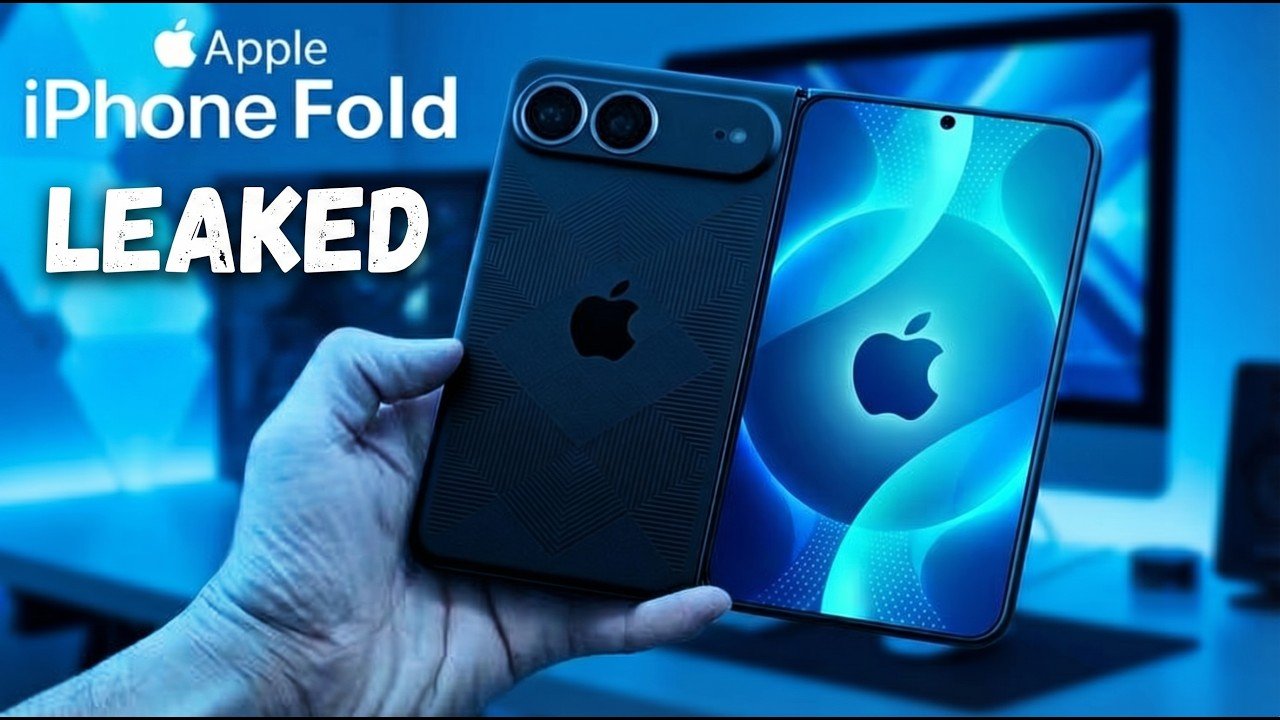
The buzz around Apple Inc.’s first foldable device — widely referred to as the iPhone Fold — is reaching fever pitch. But while tech enthusiasts are excited about Apple finally entering the foldable smartphone race, one detail is dominating headlines more than anything else: the rumored $2,000 price tag.
Is it justified innovation, or is Apple pushing the limits of what consumers are willing to pay? Let’s break down why this pricing is creating so much controversy.
Why $2,000 Feels Like a Breaking Point
Apple has never been a “budget brand,” but the expected pricing of the iPhone Fold could mark a new psychological barrier.
- Current flagship iPhones like the iPhone 15 Pro Max already cross $1,200+
- Foldable competitors range between $1,500–$1,900
- But $2,000 puts the iPhone Fold in laptop territory
For many users, this raises a serious question:
👉 Should a smartphone cost as much as a MacBook?
Foldable Tech Isn’t Cheap — But Is It Worth It?
Foldable devices are expensive to produce due to:
- Flexible OLED displays
- Advanced hinge mechanisms
- Durability testing and engineering
- Dual-display optimization
Competitors like Samsung’s Galaxy Z Fold series have already proven this. However, Apple is known for:
- Premium build quality
- Long software support
- Tight ecosystem integration
So the expectation is clear:
👉 If Apple charges more, it must deliver significantly more value.
What Apple Might Be Offering at This Price
Rumors suggest that the iPhone Fold could justify its high cost with:
Premium Hardware
- Crease-free foldable display
- Titanium or advanced alloy body
- Improved hinge durability
- Software Advantage
- iOS optimized for foldable multitasking
- Seamless app continuity between screens
- Better battery optimization than rivals
Battery & Performance
- Custom Apple Silicon for efficiency
- All-day battery even with dual screens
If Apple delivers on these, the pricing might make sense for power users and professionals.
Why People Are Still Upset
Despite the potential features, the backlash is real — and here’s why:
1. Diminishing Returns
Consumers feel that smartphone innovation has slowed. Paying double for a foldable doesn’t feel like double the value.
2. Inflation Fatigue
With rising living costs globally, a $2,000 phone feels out of touch for many buyers.
3. Upgrade Cycle Concerns
At this price, users expect:
- Longer durability
- Fewer upgrades
- Better resale value
And not everyone is convinced foldables are there yet.
Apple vs Competitors: Price War Incoming?
Apple entering the foldable market could shake things up:
- Samsung may refine pricing or add more features
- Chinese brands like Huawei and Xiaomi could push aggressive alternatives
- Apple might redefine “premium foldable” as a luxury category
👉 This could turn foldables into a status symbol, not just a tech upgrade.
Who Will Actually Buy the iPhone Fold?
Despite the controversy, there is a target audience:
- Tech enthusiasts and early adopters
- Business professionals needing multitasking
- Apple loyalists with premium budgets
For them, the iPhone Fold isn’t just a phone — it’s an experience device.
Final Verdict: Overpriced or Future-Ready?
The $2,000 iPhone Fold sits at the intersection of innovation and luxury.
✔ If Apple delivers groundbreaking features and durability → it could redefine smartphones
❌ If it feels like a gimmick → backlash could be massive
One thing is certain:
👉 This launch could change the smartphone industry forever — or expose its limits