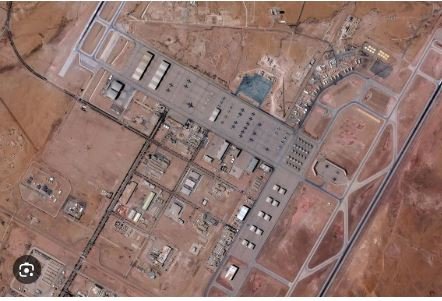
In a major development amid the escalating US-Iran conflict, American satellite imaging company Planet Labs has announced a blackout on publishing war-related satellite images of Iran and surrounding regions. This move is already raising serious questions about transparency, security, and information control in modern warfare.
Why Did Planet Labs Stop Sharing Images?
According to reports, the decision came after a request from the US government, urging satellite companies to restrict access to sensitive war-zone imagery.
- Planet Labs will now indefinitely withhold high-resolution images of Iran and nearby conflict zones
- The restriction applies retroactively from March 9, 2026
- Images will only be released in “urgent” or “public interest” cases
👉 Earlier, the company had already imposed a 14-day delay, but now the restriction has become much stricter.
The Real Reason: Military Security
The main concern behind this blackout is national security.
Satellite images today are extremely powerful. They can:
- Reveal military base locations
- Show damage after attacks
- Help enemies plan future strikes
Planet Labs itself admitted that such data could be used by “adversarial actors” for tactical advantage.
📌 In simple terms:
👉 Real-time satellite images = potential battlefield intelligence
What Areas Are Affected?
The blackout is not limited to Iran alone. It includes:
- Iran and its military zones
- US and allied bases in the Middle East
- Gulf countries and active war zones
This means journalists, researchers, and even the public will now have limited visibility into what is actually happening on the ground.
Why This Decision Is So Important
This is not just about images — it’s about control of information during war.
Key Impacts:
- Reduced transparency in global conflict
- Harder for media to verify war claims
- Governments gaining more control over data flow
- Shift in how modern wars are monitored
Experts say satellite imagery has been one of the most trusted tools for fact-checking war events. Blocking it could create information gaps and misinformation risks.
Background: Ongoing US-Iran Conflict
- The conflict escalated after US and Israeli strikes on Iran
- Iran responded with missile and drone attacks
- A US fighter jet was reportedly shot down, with a pilot missing
- Satellite imagery played a crucial role in tracking damage and troop movements
Now, with this blackout, that visibility is sharply reduced.
What Happens Next?
Planet Labs says the restriction will remain until the conflict ends.
Meanwhile:
- Other satellite companies may follow similar restrictions
- Governments may tighten control over commercial space data
- Open-source intelligence (OSINT) could face major challenges
Final Take
This move marks a turning point in modern warfare — where even space-based data is being controlled.
✔️ Security vs Transparency is now a global debate
✔️ Satellite imagery is no longer fully “open”
✔️ The way wars are reported may change permanently