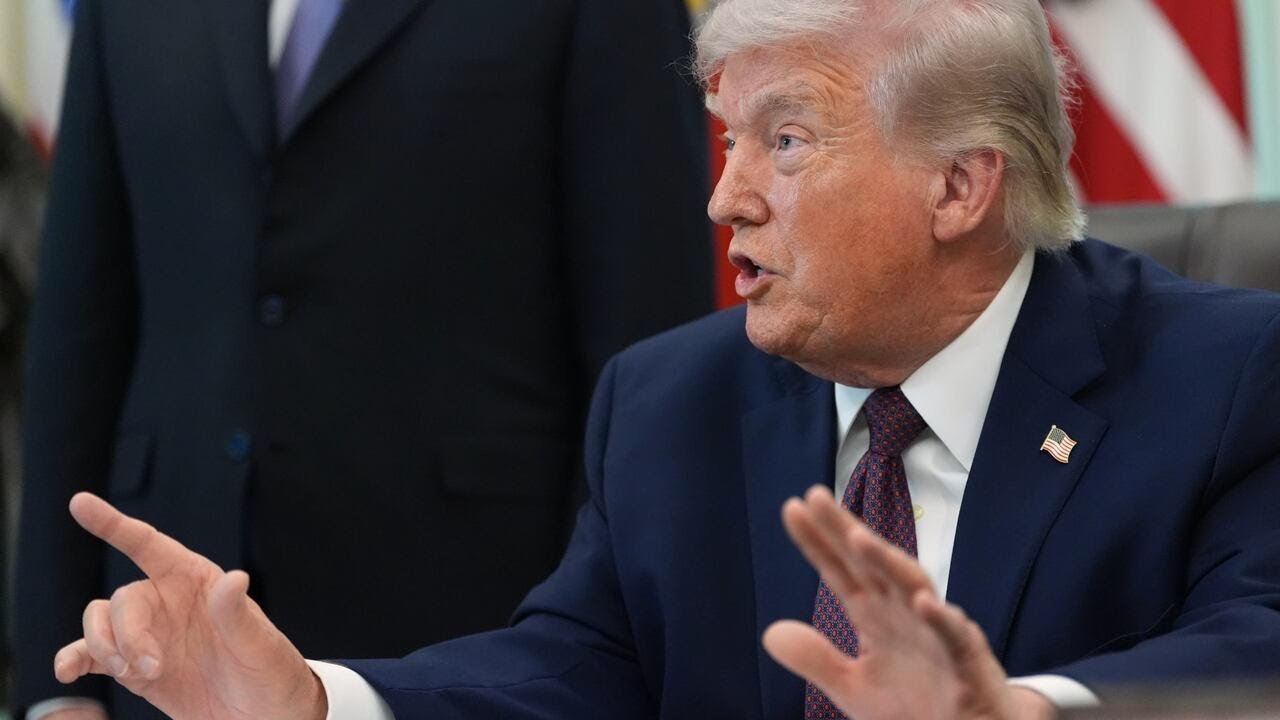
In a bold and controversial move, Donald Trump has announced a proposed 100% tariff on imported pharmaceutical drugs, aiming to pressure global drugmakers into shifting production to the United States. The announcement has sparked intense debate across global markets, healthcare sectors, and policy circles.
What Is the New Tariff Policy?
The proposed policy would impose a massive 100% import tariff on certain pharmaceutical products entering the U.S., particularly those manufactured overseas. According to Trump, the move is designed to:
- Boost domestic drug manufacturing
- Reduce reliance on foreign supply chains
- Strengthen national security in healthcare
- Force pharmaceutical giants to negotiate better deals within the U.S.
Trump stated that America should not depend on countries like China and India for critical medicines, especially after the vulnerabilities exposed during the COVID-19 pandemic.
Why Is Trump Targeting the Pharma Sector?
The pharmaceutical industry has long relied on global supply chains, with many active ingredients and finished drugs produced outside the U.S. Trump argues that:
- Over 70% of drug ingredients are sourced internationally
- This dependence poses risks during geopolitical tensions
- Domestic production could create jobs and stabilize supply
He emphasized that tariffs would push companies to relocate manufacturing plants back to American soil.
Market Reaction: Pharma Stocks & Global Impact
Following the announcement, global pharmaceutical stocks saw mixed reactions:
- U.S.-based drug manufacturers showed slight gains
- Indian and European pharma companies experienced declines
- Investors are concerned about rising costs and supply disruptions
Experts warn that such tariffs could increase drug prices in the short term, impacting consumers directly.
Global Response & Trade Concerns
Countries heavily involved in pharmaceutical exports, including India and China, are expected to respond strongly. Trade analysts suggest:
- Possible retaliatory tariffs from affected nations
- Strain on U.S. trade relations
- Disruption in global medicine supply chains
The move could also challenge existing agreements under the World Trade Organization (WTO).
What It Means for Consumers
For American consumers, the impact could be significant:
Short-Term Effects:
- Higher drug prices
- Limited availability of certain medicines
Long-Term Possibilities:
- Increased domestic production
- More stable supply chains
- Potential job growth in pharma manufacturing
However, critics argue that building domestic infrastructure will take years, making immediate benefits unlikely.
Political & Industry Reactions
The policy has divided opinion:
Supporters Say:
- It strengthens national security
- Encourages “Made in USA” manufacturing
- Reduces dependency on foreign nations
Critics Argue:
- It could hurt patients with higher costs
- Disrupt global pharma innovation
- Trigger trade wars
Major pharmaceutical companies have yet to fully commit to relocating operations, citing high costs and regulatory challenges.
What Happens Next?
The tariff proposal is expected to face:
- Congressional scrutiny
- Legal challenges
- Lobbying from pharma giants
If implemented, it could mark one of the most aggressive trade actions in the healthcare sector in recent history.
Final Take
Trump’s proposed 100% tariff on imported drugs is a high-risk, high-impact strategy aimed at reshaping the global pharmaceutical landscape. While it aligns with his “America First” agenda, the real test will be balancing economic nationalism with public health needs.