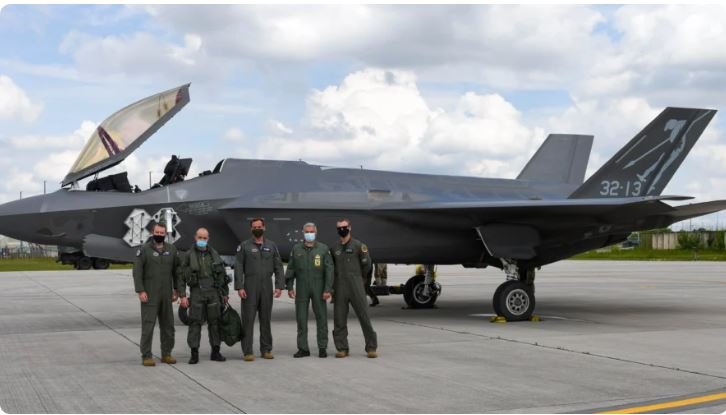
In 2026, global military strength is not only measured by advanced fighter jets and technology but also by the number of trained pilots available to operate them. Skilled pilots remain the backbone of any air force, ensuring effective combat operations, strategic missions, and national security.
Here’s a Google Discover-friendly article on the largest air forces in the world by pilot strength in 2026.
Why Pilot Strength Still Matters
Despite the rise of drones and AI-powered aircraft, human pilots are still essential because:
- They make real-time combat decisions
- Required for fighter jets, bombers, and transport aircraft
- Training takes years, making them a critical defense asset
👉 In simple terms: More trained pilots = stronger air force readiness
🏆 Top 10 Largest Air Forces by Pilots (2026)
1. United States (All Aviation Branches Combined)
- Estimated Pilots: ~37,000
- Includes Air Force, Navy, Marine Corps, and Army aviation
- Most powerful and technologically advanced air fleet
The United States continues to dominate global airspace with the highest number of highly trained pilots and cutting-edge aircraft.
2. China (People’s Liberation Army Air Force – PLAAF)
- Estimated Pilots: ~25,000+
- Rapid expansion in pilot training programs
- Strong focus on modern stealth aircraft
China is aggressively building its pilot base to challenge global air dominance.
3. Russia (Russian Air Force)
- Estimated Pilots: ~15,000+
- Strong legacy aviation system
- Facing modernization and recruitment challenges
Russia maintains a large air force, though growth has slowed due to economic and operational pressures.
4. India (Indian Air Force – IAF)
- Estimated Pilots: ~12,000–13,000
- One of the most experienced pilot forces
- Focus on indigenous aircraft like Tejas
India continues to strengthen its air defense with skilled pilots and modern training systems.
5. North Korea
- Estimated Pilots: ~8,000–9,000
- Large pilot numbers but older aircraft fleet
- Limited exposure to modern combat systems
6. Egypt
- Estimated Pilots: ~6,000+
- Strong regional air power in the Middle East
- Diverse aircraft fleet
7. Pakistan
- Estimated Pilots: ~5,000–6,000
- Highly trained and combat-experienced pilots
- Known for strong pilot training programs
8. South Korea
- Estimated Pilots: ~5,000+
- Advanced aircraft and modern systems
- High-tech training infrastructure
9. Japan
- Estimated Pilots: ~4,000–5,000
- Focused on defense and rapid response
- Equipped with advanced fighter jets
10. Turkey
- Estimated Pilots: ~3,500–4,000
- Important NATO air power
- Continuous modernization efforts
📊 Quick Comparison Table
| Rank | Country | Estimated Pilots | Key Strength |
|---|---|---|---|
| 1 | USA | ~37,000 | Global dominance |
| 2 | China | ~25,000+ | Rapid expansion |
| 3 | Russia | ~15,000+ | Legacy strength |
| 4 | India | ~12,000+ | Skilled pilots |
| 5 | North Korea | ~9,000 | Large manpower |
| 6 | Egypt | ~6,000 | Regional power |
| 7 | Pakistan | ~5,500 | Combat experience |
| 8 | South Korea | ~5,000 | Advanced tech |
| 9 | Japan | ~4,500 | Defensive strength |
| 10 | Turkey | ~4,000 | NATO role |
🚀 Key Trends in 2026
- Pilot shortages seen in advanced countries like the US and Russia
- China rapidly expanding training capacity
- India investing in indigenous pilot training programs
- Growing use of drones, but pilots still essential
🔍 Final Thoughts
In 2026, the race for air superiority is not just about machines—it’s about human skill and training.
- The United States remains the global leader
- China is closing the gap quickly
- India is emerging as a strong and balanced air power
👉 Even in the age of AI, pilots continue to define air dominance